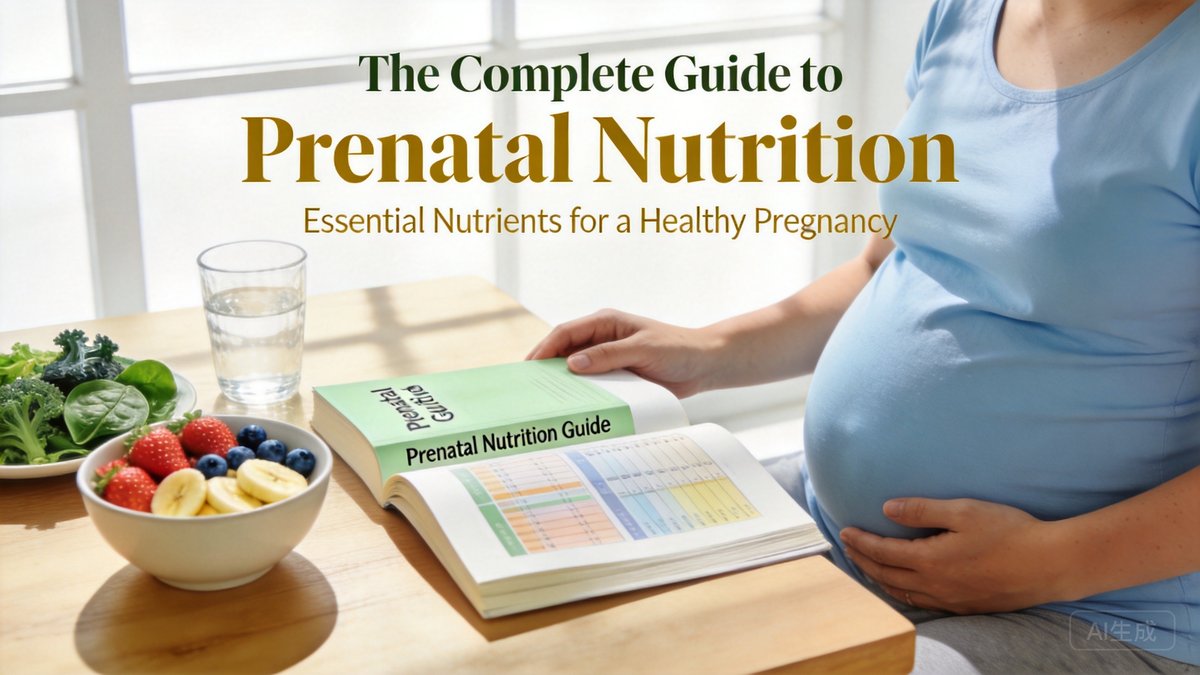
Understanding the Foundations of Prenatal Nutrition
Prenatal nutrition is one of the most powerful tools a mother can use to support her baby’s growth and her own health during pregnancy. The nutrients you consume directly influence fetal brain development, organ formation, and lifelong metabolic programming. Research published in the American Journal of Clinical Nutrition confirms that a well‑planned diet reduces the risk of gestational diabetes, preeclampsia, and preterm birth. Every bite counts—not just for calories but for the vitamins, minerals, and macronutrients that build a new life. The key is to prioritize nutrient‑dense foods while avoiding empty calories and harmful substances.
Pregnancy increases your body’s demand for certain nutrients by 20–50%, yet the total calorie increase is modest—only about 300–450 extra calories per day in the second and third trimesters. This means you must make every meal count. The goal is not “eating for two” but “eating twice as well.” By focusing on whole grains, lean proteins, healthy fats, and a rainbow of vegetables and fruits, you can meet both your needs and your baby’s without excessive weight gain. The following sections break down exactly what to eat, what to supplement, and what to avoid.
Essential Nutrients for Fetal Development
Three nutrients stand out as especially critical during pregnancy: folic acid, iron, and calcium. Folic acid (vitamin B9) is crucial for closing the neural tube, which happens in the first 28 days—often before a woman knows she is pregnant. The CDC recommends 400–800 micrograms daily from fortified foods or supplements. Iron needs double during pregnancy to support increased blood volume and prevent anemia. The Recommended Dietary Allowance (RDA) jumps to 27 mg per day; good sources include lean red meat, spinach, and legumes. Pairing iron with vitamin C (e.g., strawberries or bell peppers) boosts absorption.
Calcium is vital for building your baby’s bones and teeth, as well as for maintaining your own bone density. Aim for 1,000–1,300 mg daily from dairy, fortified plant milks, or leafy greens. Additionally, omega‑3 fatty acids, especially DHA, support fetal brain and eye development. The American College of Obstetricians and Gynecologists suggests 200–300 mg of DHA per day from fish like salmon or from algae‑based supplements. Choline, zinc, iodine, and vitamin D also play important roles—variety in your diet is the simplest way to cover them.
“According to the CDC, taking 400 mcg of folic acid daily before and during early pregnancy can reduce the risk of neural tube defects by up to 70%. This simple step is one of the most effective preventive measures in prenatal care.”
Building a Balanced Prenatal Diet
A practical way to structure your meals is to aim for three balanced plates each day, plus two small snacks. Each meal should contain a lean protein (about 20–30 g), a complex carbohydrate (whole grains, starchy vegetables), at least one serving of vegetables, and a source of healthy fat. For example, a breakfast of oatmeal with berries and walnuts, a lunch of grilled chicken salad with quinoa, and a dinner of baked salmon with sweet potato and broccoli provides a wide nutrient profile. Snacks such as Greek yogurt with sliced almonds or an apple with peanut butter help maintain steady blood sugar levels.
Fiber is especially important to combat pregnancy‑related constipation. Aim for 25–30 grams per day from fruits, vegetables, legumes, and whole grains. Hydration also matters: drink at least 8–10 cups of water daily to support increased blood volume and amniotic fluid. Pay attention to your body’s hunger and fullness cues—pregnancy is not the time to diet, but uncontrolled weight gain can raise complications. A weight gain of 25–35 pounds for a woman of normal BMI is considered healthy. Work with your healthcare provider to set a personalized target.
- Key protein sources: eggs, lean beef, chicken, tofu, lentils, fish (low mercury)
- Whole grain choices: oats, brown rice, whole‑wheat pasta, millet
- Iron‑rich pairings: spinach salad with lemon vinaigrette, lentil soup with tomatoes
- Healthy fats: avocados, nuts, seeds, olive oil, fatty fish (twice per week)
Supplements: What You Need and Why
Even the best diet may fall short of some pregnancy needs, which is why a prenatal vitamin is strongly recommended. Look for one that contains at least 400 mcg folic acid, 200–300 mg calcium, 27 mg iron, 150 mcg iodine, 600 IU vitamin D, and 200–300 mg DHA. Many women also benefit from additional vitamin B12, especially if they follow a vegetarian or vegan diet. Do not exceed the upper limits for fat‑soluble vitamins (A, D, E, K) without medical guidance, as too much can be toxic.
Some expectant mothers need specialized supplements—for example, extra choline (450 mg daily) may support cognitive development, and magnesium can help reduce leg cramps and improve sleep. Always run any supplement by your obstetrician before starting. Importantly, avoid high‑dose vitamin A or any supplements containing “megadoses”; also avoid herbal products like ginseng, black cohosh, and licorice root, which may stimulate contractions. Stick to reputable brands that are third‑party tested for purity.
- Essential supplements: prenatal multivitamin, vitamin D, omega‑3 (DHA/EPA)
- Optional but beneficial: probiotics (for gut health), magnesium glycinate (for muscle relaxation)
- Supplements to skip: mega‑dose vitamin A, excessive iodine, herbal weight‑loss blends
Foods to Avoid During Pregnancy
Food safety becomes paramount because your immune system is slightly suppressed and your baby is particularly vulnerable to infections. Avoid raw or undercooked meat, fish, and eggs to prevent toxoplasmosis and salmonella. Unpasteurized dairy products and soft cheeses (like brie, feta, and blue cheese) carry listeria risk, which can cause miscarriage. Deli meats and hot dogs should be heated until steaming. Fish with high mercury content—such as shark, swordfish, king mackerel, and tilefish—must be eliminated entirely; safe fish include salmon, sardines, trout, and canned light tuna (limit to 12 oz/week).
Caffeine intake should be capped at 200 mg per day (about one 12‑ounce coffee). Consuming more may be linked to low birth weight. Alcohol is strictly off‑limits during pregnancy because no safe level has been established—it can cause fetal alcohol syndrome. Artificial sweeteners such as saccharin are best avoided; aspartame in moderation is considered acceptable by the FDA, but stevia is generally preferred. Finally, wash all fruits and vegetables thoroughly, and avoid raw sprouts (alfalfa, clover) where bacteria can hide.
- High‑risk items: raw sushi, runny eggs, unpasteurized juice
- Safe seafood choices: wild salmon, shrimp, pollock, catfish
- Zero tolerance: alcohol, illicit drugs, tobacco
- Rinse and cook: all produce, meat to safe internal temperatures
Hydration and Lifestyle Considerations
Staying hydrated is more than just drinking water—it also means consuming water‑rich foods like watermelon, cucumber, and citrus fruits. Dehydration can trigger Braxton‑Hicks contractions and increase the risk of urinary tract infections. Aim to urinate a pale yellow color as a sign of good hydration. Prenatal exercise, such as walking, swimming, or yoga, pairs well with nutrition to manage blood sugar, reduce back pain, and improve sleep. Discuss your activity level with your doctor, but most women can continue moderate exercise throughout pregnancy.
Meal planning can significantly reduce stress and help you stick to nutrient goals. Prep whole grains and vegetables twice a week, and keep healthy snacks in your bag. Work with a registered dietitian if you have special conditions like gestational diabetes, hyperemesis gravidarum, or multiple gestations. Remember that prenatal nutrition is not about perfection—it’s about consistency. Every healthy choice you make supports your baby’s development and lays a foundation for lifelong health. Trust your appetite, lean on your healthcare team, and enjoy this powerful phase of nurturing life.