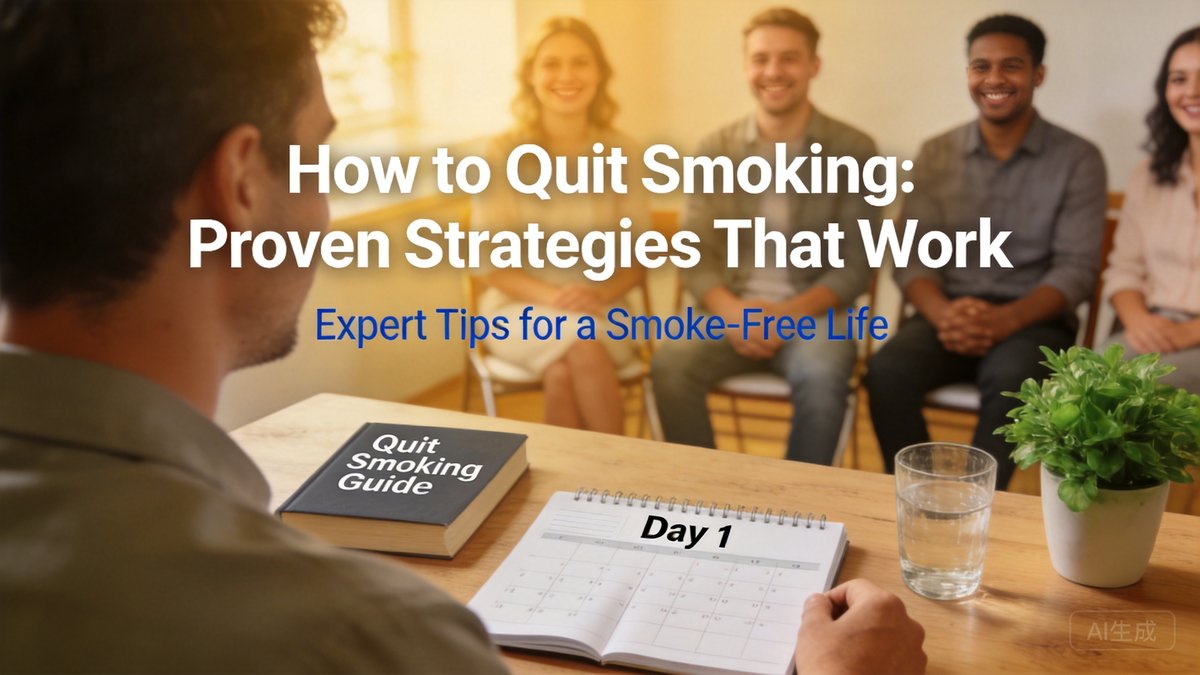
The Science of Quitting: Why It’s Hard and Why You Can Succeed
Quitting smoking is one of the most challenging yet rewarding health decisions a person can make. Nicotine, the primary addictive compound in tobacco, triggers a flood of dopamine in the brain within seconds of inhalation, creating a powerful reward loop. Over time, the brain adapts by reducing its natural dopamine production, making cigarettes necessary just to feel normal. This biological hijacking is why willpower alone often fails—quitting is not a simple matter of choice but a battle against a rewired nervous system. However, the same science that explains the difficulty also offers hope: the brain is remarkably plastic, and withdrawal symptoms peak within the first week, then steadily decline. Understanding this timeline can help you anticipate cravings and avoid the trap of believing a single cigarette will relieve discomfort—it will only reset the clock.
The health benefits begin immediately. Within 20 minutes of your last cigarette, heart rate and blood pressure drop to normal levels. Within 12 hours, carbon monoxide in the blood falls to normal, allowing oxygen levels to recover. By 1 year, the risk of coronary heart disease is cut in half. These concrete milestones provide powerful motivation when cravings strike. The key is to arm yourself with multiple evidence-based strategies rather than relying on a single approach. Research shows that combining behavioral support with pharmacotherapy more than doubles your odds of long-term success.
Within 20 minutes of quitting, heart rate drops to normal. At 12 hours, carbon monoxide returns to safe levels. After 1 year, your risk of heart disease is reduced by 50%. The single most effective strategy is combining nicotine replacement therapy with behavioral counseling — that alone can raise quit rates from 10% to nearly 40%.
Prepare Your Brain and Environment for the First Week
The first seven days are the most critical. During this period, physical withdrawal symptoms—irritability, anxiety, difficulty concentrating, insomnia—are at their peak. Your brain is craving the dopamine spikes that cigarettes once provided. To counteract this, plan a quit date and remove all smoking triggers from your home, car, and workspace. Throw away cigarettes, lighters, ashtrays, and even the smell of smoke from fabrics. Let friends, family, and coworkers know your goal so they can offer support and avoid offering you cigarettes.
Behavioral substitution is a powerful tool. When a craving hits, immediately replace the smoking ritual with a new habit: chew sugar-free gum, drink a glass of cold water, take a few deep breaths, or squeeze a stress ball. The urge typically lasts only 3–5 minutes, so distract yourself until it passes. Delay paying attention to the craving—tell yourself you will wait 10 minutes, then revisit the thought. Often, by then the intensity will fade. Also adjust your routines: if you always smoked with coffee, switch to tea; if smoking was part of your commute, listen to a podcast or call a friend. These environmental changes reduce the automatic “cue → craving → smoke” loop.
Avoid alcohol and caffeine in the first weeks; both can trigger cravings. Many people find that increasing physical activity—even a brisk 10-minute walk—eases withdrawal symptoms by releasing endorphins and stabilizing blood sugar.
Medication Options: Nicotine Replacement and Prescription Aids
Using FDA-approved medications can double or even triple your chances of quitting. Nicotine replacement therapy (NRT) delivers controlled doses of nicotine through patches, gum, lozenges, inhalers, or nasal sprays. These products reduce withdrawal symptoms and cravings without the harmful tar and carcinogens found in cigarette smoke. The patch provides a steady baseline dose, while gum or lozenges can be used on top for breakthrough urges. It is safe to combine a long-acting patch with a short-acting product (like gum) during the first month—a combination strategy that studies show improves success rates.
Prescription medications like varenicline (Chantix) and bupropion (Zyban) work on brain receptors to reduce pleasure from smoking and ease withdrawal. Varenicline, in particular, has the highest efficacy among single pharmacotherapies. However, these require a healthcare provider’s prescription and may have side effects (nausea, vivid dreams, or mood changes). Never combine NRT with smoking—smoking while using NRT can cause dangerous nicotine overload. Once you choose a medication, maintain it for at least 8–12 weeks, even if you feel ready to stop earlier. Long-term adherence is key to preventing relapse.
Build a Support System That Works
Social support is not just emotional—it changes brain chemistry. When you tell someone you are quitting, you create accountability and increase the likelihood you will follow through. Support can come from in-person cessation programs (often free through state quitlines or local hospitals), online communities (like Smokefree.gov forums), or simply a friend who texts you daily. Research shows that individuals who participate in group counseling have a 25% higher quit rate than those who go it alone.
Text-message based programs (e.g., SmokefreeTXT) deliver real-time tips and encouragement directly to your phone. They are evidence-based and free. For heavier smokers (more than a pack a day), combining NRT with coaching from a quitline provider increases success. If you are age 65 or older, or have a chronic medical condition like COPD or heart disease, Medicare and many insurance plans cover counseling sessions. Do not underestimate the power of a single supportive conversation—studies find that just three 10-minute sessions with a trained counselor can significantly improve outcomes.
How to Handle Slips and Relapses Without Giving Up
Most people do not quit permanently on their first attempt—relapse is a common part of the process. One slip (a single puff or cigarette) does not erase your progress. The trap is the “abstinence violation effect,” where one slip triggers feelings of failure and leads to full-blown return to smoking. Reframe a slip as a learning opportunity: ask yourself what triggered it (stress? alcohol? a social situation?) and add a new coping strategy to your plan. Return immediately to your quit plan—do not allow yourself to “finish the pack” or “just smoke for one day”.
If you relapse entirely (return to daily smoking), set a new quit date within 30 days. The odds of eventual success are highest for those who keep trying. Track your progress—many successful quitters attempted 6–10 times before succeeding permanently. Use the experience to refine your approach: maybe you need a higher NRT dose, or more support from counseling, or to avoid a specific trigger situation for the first month. The brain’s neuroplasticity means that each quit attempt weakens the neural pathways associated with smoking.
Long-Term Maintenance: Rewiring Your Brain for a Smoke-Free Life
After the first month, physical withdrawal is largely resolved, but psychological cravings may still surface—especially during stress, celebrations, or other high-risk situations. Long-term success depends on replacing the smoking habit with robust, healthy alternatives. Engage in regular exercise (aerobic activity reduces cravings and improves mood), practice stress management (mindfulness, deep breathing, or yoga), and monitor your “smoking thoughts” without acting on them. Many former smokers find that keeping a brief daily journal of triggers and successes helps reinforce the new identity as a nonsmoker.
Consider setting “smoke-free mile markers.” Celebrating 30 days, 90 days, 1 year, and 5 years can provide a sense of accomplishment. Aftr 10 years of abstinence, the risk of lung cancer falls to about half that of a current smoker. Use that statistic as motivation. If you find yourself in a situation where you are tempted, use the same delay technique and substitute a healthy behavior. Over time, the brain’s reward system recalibrates, and the cravings will diminish to practically zero. You will stop thinking about smoking—that is the ultimate freedom.