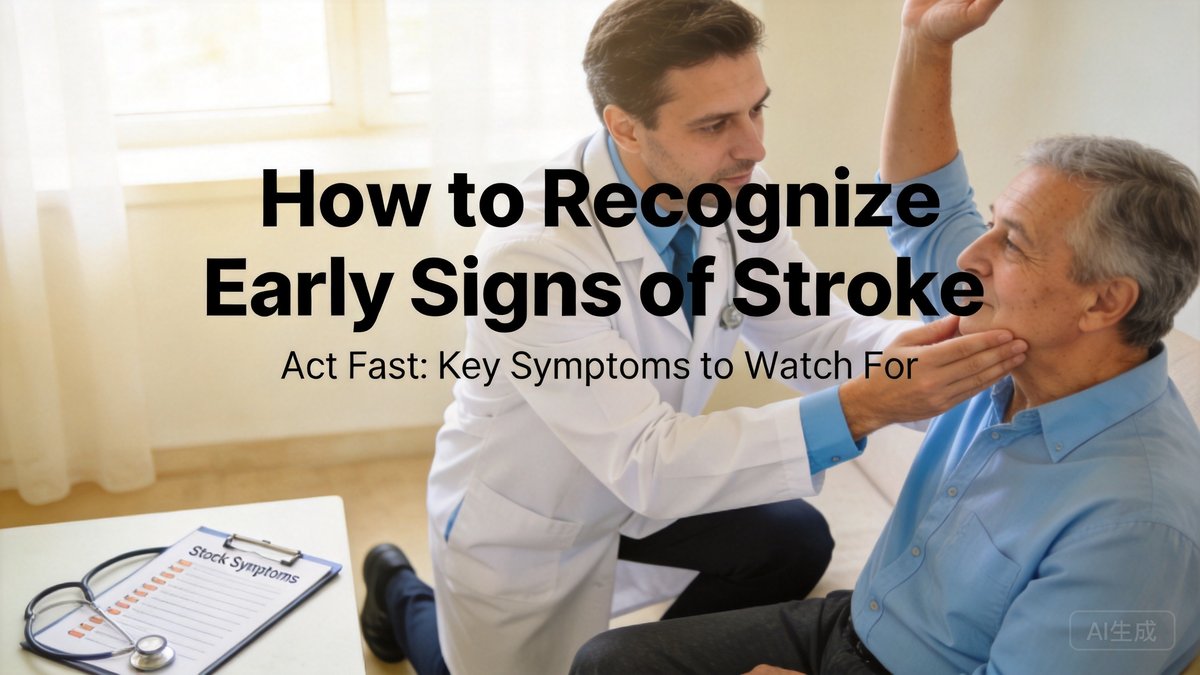
Understanding Stroke and Why Early Detection Matters
Stroke is a medical emergency that occurs when blood flow to a part of the brain is interrupted, either by a clot (ischemic stroke) or a ruptured blood vessel (hemorrhagic stroke). The brain depends on a constant supply of oxygen and nutrients delivered by blood; without it, brain cells begin to die at an alarming rate. According to the World Health Organization, stroke is the second leading cause of death globally and a major cause of long-term disability. However, prompt treatment can dramatically reduce the damage. Recognizing the early signs of stroke is not just a matter of health literacy—it is a life‑saving skill that every adult should master. The window for effective intervention is narrow, typically within three to four and a half hours from symptom onset for ischemic strokes. Delaying medical care even by minutes can mean the difference between full recovery and permanent neurological impairment. This article provides an authoritative, evidence‑based guide to identifying the earliest warning signs of stroke, empowering you to act decisively when every second counts.
The BE FAST Acronym: Your Quick Recognition Tool
The most widely recommended method for spotting a stroke is the BE FAST mnemonic, endorsed by the American Stroke Association and major neurological societies. BE FAST stands for Balance, Eyes, Face, Arm, Speech, and Time. Each component corresponds to a specific, observable symptom that often appears suddenly.
- B – Balance: Sudden loss of balance or coordination, dizziness, or difficulty walking. The person may stagger or feel as if the room is spinning.
- E – Eyes: Sudden trouble seeing in one or both eyes, such as blurred vision, double vision, or complete loss of vision. This can occur without warning and may be painless.
- F – Face: Ask the person to smile. One side of the face may droop or feel numb. The smile will appear uneven, and the person may not be able to close one eye completely.
- A – Arm: Ask the person to raise both arms. One arm may drift downward or be too weak to lift. Numbness or weakness in one arm (or leg) is a classic sign.
- S – Speech: Ask the person to repeat a simple sentence, such as “The sky is blue.” Speech may be slurred, garbled, or difficult to understand. The person might also be unable to speak at all or use the wrong words.
- T – Time: Time to call emergency services. Even if symptoms seem to resolve, do not wait. Note the time when the first symptom appeared, as this information is critical for treatment decisions.
BE FAST is designed to catch the most common stroke symptoms, but it does not capture every possible presentation. Notably, about 25% of stroke patients do not exhibit face, arm, or speech deficits initially. Therefore, it is essential to be familiar with other, less obvious early signs.
“Every minute a stroke goes untreated, the brain loses approximately 1.9 million neurons, 13.8 billion synapses, and 7.5 miles of myelinated fibers.” – American Stroke Association. This stark statistic underscores why immediate action is non‑negotiable.
Beyond BE FAST: Additional Warning Signs
Stroke can manifest in ways that fall outside the BE FAST checklist. Recognizing these additional signs can prevent a missed diagnosis, especially in posterior circulation strokes that affect the back of the brain. Key symptoms to watch for include:
- Sudden severe headache: Often described as the “worst headache of your life,” with no known cause. This is particularly common in hemorrhagic strokes. The headache may be accompanied by neck stiffness, vomiting, or sensitivity to light.
- Sudden confusion or trouble understanding: The person may appear disoriented, have difficulty following instructions, or seem unaware of their surroundings. This can mimic dementia or intoxication.
- Nausea or vomiting: While often dismissed as a stomach bug, sudden vomiting without prior illness can indicate increased intracranial pressure from a stroke.
- Sudden numbness or weakness on one side of the body: This may affect the face, arm, or leg—but also the entire half of the body. The person may drop objects, drag a foot, or not feel touch on that side.
- Hiccups: Persistent, unexplained hiccups can be a sign of a brainstem stroke, especially in women. This symptom is often overlooked.
- Fainting or loss of consciousness: A sudden collapse without an obvious cause—such as cardiac arrest—may be due to stroke. Even a brief syncopal episode warrants evaluation.
It is critical to remember that stroke symptoms are almost always sudden. If any of these signs appear abruptly, treat it as a potential stroke. Do not ask the person to “sleep it off” or wait to see if symptoms improve. Many people delay seeking help because they minimize the severity, assuming a headache will pass or that clumsiness is just fatigue. Science‑backed data show that the average person waits nearly three hours before calling 911—time that could be used for life‑saving treatment.
Immediate Actions: Time Equals Brain
If you suspect a stroke, your first and only move must be to call emergency medical services (911 in the US, 112 in Europe, 999 in the UK). Do not drive the person to the hospital yourself. Paramedics can begin pre‑hospital care and alert the stroke team, ensuring the patient is taken to a facility equipped to administer clot‑busting drugs (tPA) or perform endovascular thrombectomy. While waiting for help, follow these science‑backed steps:
- Note the exact time symptoms began. If the person woke up with symptoms, use the last known time they were normal (e.g., when they went to bed).
- Keep the person calm and lying flat or in a comfortable position. If unconscious, place them on their side to prevent aspiration in case of vomiting.
- Do not give them aspirin, food, or water. Aspirin may worsen bleeding if the stroke is hemorrhagic, and swallowing difficulties make choking a real risk.
- Do not perform any “home remedies” such as pressing on arteries, applying ice, or shaking the person. These are not evidence‑based and can cause harm.
- Loosen tight clothing, especially around the neck, and ensure a clear airway. If the person stops breathing, begin CPR if trained.
Emergency responders will perform a rapid assessment using tools like the Cincinnati Prehospital Stroke Scale or the Los Angeles Prehospital Stroke Screen. At the hospital, a CT scan or MRI will determine the type of stroke. For ischemic strokes, tPA must be given within 4.5 hours; the sooner it is administered, the better the outcome. For large vessel occlusions, mechanical clot removal can be effective up to 24 hours after symptom onset in select patients. Every minute saved increases the chance of walking out of the hospital independently.
Know Your Risk and Prevent Stroke
While rapid recognition saves lives, prevention is even more powerful. The leading risk factors for stroke are well documented and largely modifiable. Hypertension is the single most important risk factor—controlling blood pressure reduces stroke risk by up to 40%. Other major risks include atrial fibrillation (irregular heartbeat), diabetes, high cholesterol, smoking, obesity, and physical inactivity. Lifestyle modifications backed by extensive research include:
- Maintaining a blood pressure below 120/80 mm Hg through diet, exercise, and medication if needed.
- Eating a Mediterranean‑style diet rich in vegetables, fruits, whole grains, lean proteins, and healthy fats.
- Engaging in at least 150 minutes of moderate‑intensity aerobic exercise per week.
- Managing stress and avoiding excessive alcohol consumption (no more than one drink per day for women, two for men).
- Quitting smoking and avoiding secondhand smoke; stroke risk drops significantly within two to five years of cessation.
Regular check‑ups to screen for atrial fibrillation, carotid artery disease, and other vascular conditions are also critical. Knowing your personal risk helps you and your doctor create a tailored prevention plan. Remember: stroke does not discriminate by age—about one in four strokes occur in people under age 65. Early detection and prevention are your best defenses.
Conclusion: Be Prepared, Act Fast
Recognizing the early signs of stroke is not a passive skill—it requires familiarity with both the classic BE FAST symptoms and the less common presentations. The data are clear: faster treatment leads to better outcomes. By committing the BE FAST mnemonic to memory, learning the additional warning signs, and understanding the urgency of calling emergency services, you become an empowered advocate for yourself and others. Equally important is adopting a lifestyle that minimizes stroke risk. Share this knowledge with family, friends, and colleagues. In the moment of a stroke, hesitation can cost a life; knowledge and action save it. Stay informed, stay vigilant, and when in doubt—call 911. Your decisive response could be the difference between devastating disability and a full recovery.