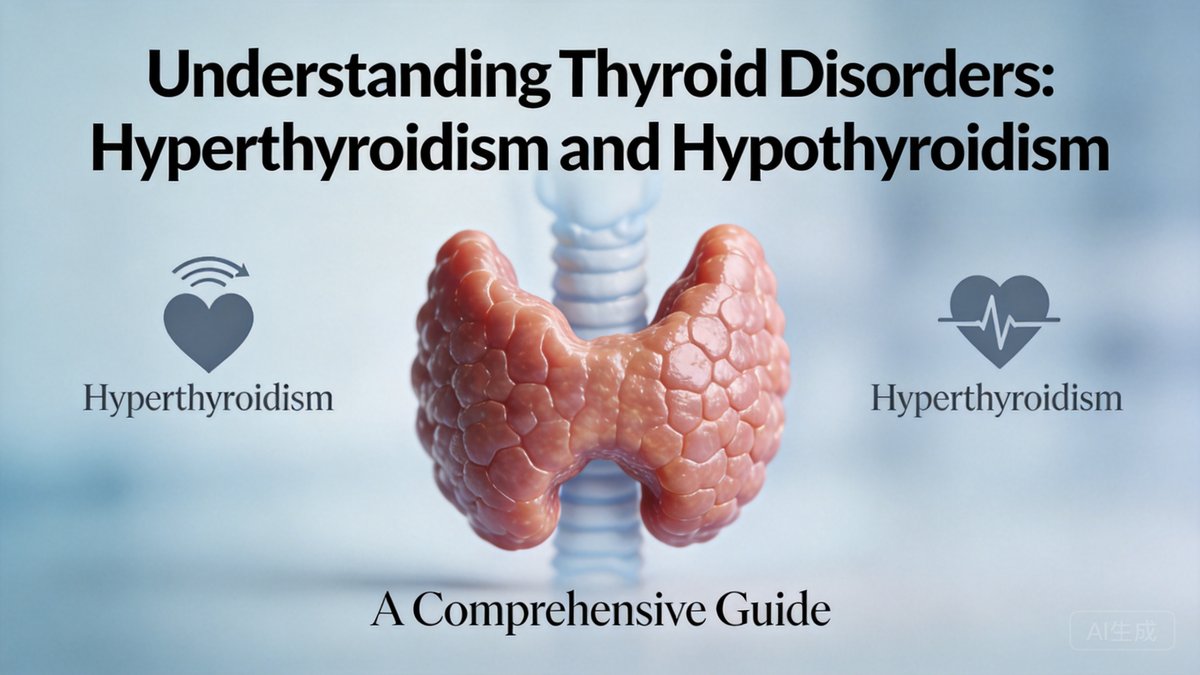
The Thyroid Gland: Your Body's Metabolic Master Switch
The thyroid, a butterfly-shaped gland in the front of your neck, produces hormones—triiodothyronine (T3) and thyroxine (T4)—that regulate nearly every metabolic process in the body. From heart rate and digestion to body temperature and energy expenditure, thyroid hormones act as the body's internal thermostat. When this delicate balance is disturbed, two primary disorders emerge: hyperthyroidism (overactive thyroid) and hypothyroidism (underactive thyroid). Understanding the distinction, root causes, and evidence-based management strategies is essential for maintaining optimal health. Thyroid disease affects roughly 1 in 8 women over their lifetime, though men are also at risk. The key is early recognition and targeted treatment.
The pituitary gland, located at the base of the brain, controls thyroid function by releasing thyroid-stimulating hormone (TSH). Low TSH signals excessive thyroid activity (hyperthyroidism), while high TSH indicates insufficient hormone production (hypothyroidism). This feedback loop is the basis for all diagnostic testing. Unfortunately, symptoms of thyroid dysfunction often mimic other conditions, leading to delayed diagnosis. In this article, we break down both hyperthyroidism and hypothyroidism with science-backed insights and actionable steps you can discuss with your healthcare provider.
Hyperthyroidism: When Your Engine Runs Too Fast
Hyperthyroidism occurs when the thyroid gland produces and releases excessive T3 and T4, accelerating the body's metabolism. The most common cause is Graves' disease, an autoimmune disorder where antibodies stimulate the thyroid to overproduce hormones. Other causes include toxic nodular goiter (Plummer's disease), thyroiditis (inflammation of the thyroid), and excessive intake of iodine or thyroid hormone medications.
- Cardiovascular symptoms: Palpitations, rapid or irregular heartbeat (especially atrial fibrillation), elevated blood pressure, and increased sensitivity to heat.
- Gastrointestinal and metabolic effects: Unintended weight loss despite increased appetite, frequent bowel movements, and accelerated metabolism.
- Neuromuscular and psychological changes: Tremors (especially in the hands), anxiety, irritability, insomnia, restlessness, and muscle weakness.
- Physical appearance changes: Heat intolerance, excessive sweating, fine or brittle hair, a visible goiter (swelling at the base of the neck), and in Graves' disease, eye problems such as protrusion (exophthalmos), double vision, or dry eyes.
Key Statistic: According to the American Thyroid Association, approximately 20 million Americans have some form of thyroid disease, and up to 60% are unaware of their condition. For hyperthyroidism, untreated cases can lead to life-threatening "thyroid storm," characterized by extremely high fever, rapid heart rate, and confusion—a medical emergency requiring immediate intervention.
Treatment options for hyperthyroidism aim to reduce hormone production or block its effects. Antithyroid medications (methimazole, propylthiouracil) inhibit hormone synthesis. Radioactive iodine (RAI) therapy destroys overactive thyroid cells, leading to eventual hypothyroidism that is then managed with replacement hormones. Surgical thyroidectomy is reserved for large goiters, suspected cancer, or when other treatments fail. Beta-blockers (e.g., propranolol) can rapidly relieve palpitations and tremor. Your endocrinologist will tailor the approach based on age, severity, and underlying cause.
Hypothyroidism: When Metabolism Slows Down
Hypothyroidism is the opposite—the thyroid produces insufficient T3 and T4, slowing metabolic processes. The most common cause in iodine-sufficient regions is Hashimoto's thyroiditis, another autoimmune disorder where the immune system gradually destroys thyroid tissue. Other causes include previous RAI therapy for hyperthyroidism, surgical removal of the thyroid, radiation to the neck, certain medications (lithium, amiodarone), and iodine deficiency (rare in developed countries).
- Cardiovascular and metabolic effects: Fatigue, weight gain despite normal or reduced appetite, cold intolerance, constipation, and bradycardia (slow heart rate).
- Neuromuscular and psychological changes: Brain fog, memory problems, depression, sluggishness, muscle aches, and joint stiffness.
- Physical appearance changes: Dry, coarse skin, thinning hair, brittle nails, puffy face, hoarse voice, and a feeling of fullness in the neck (goiter).
- Reproductive system symptoms: In women, heavy or irregular menstrual periods, reduced fertility, and in severe cases, myxedema coma—a rare but critical complication of untreated hypothyroidism.
Diagnosis is straightforward: elevated TSH prompts further testing of free T3 and T4. Once confirmed, the standard treatment is synthetic levothyroxine (LT4), a replacement hormone taken once daily on an empty stomach. The goal is to bring TSH back into the normal range (usually 0.5–4.5 mU/L, though optimal range varies by age and pregnancy status). Dosage adjustments require periodic blood tests. With proper management, most people with hypothyroidism lead fully active lives. However, lifelong monitoring is essential, as overtreatment can cause subclinical hyperthyroidism.
Diagnosis: How Thyroid Disorders Are Identified
Both hyperthyroidism and hypothyroidism are diagnosed through a combination of clinical evaluation and laboratory tests. Your healthcare provider will start with a detailed history and physical exam, checking for goiter, tremor, skin changes, heart rate, and reflexes. The cornerstone of diagnosis is the TSH blood test, which is highly sensitive for detecting even subtle thyroid dysfunction.
- TSH measurement: Low TSH suggests hyperthyroidism; high TSH indicates hypothyroidism. If TSH is abnormal, proceed to free T3 and free T4 levels to confirm and assess severity.
- Antibody testing: For autoimmune thyroid disease, test anti-TPO (thyroid peroxidase) and anti-thyroglobulin antibodies. In Graves' disease, TSH receptor antibodies (TRAb) are often elevated.
- Imaging: A thyroid ultrasound can evaluate nodules or goiter size. A radioactive iodine uptake scan (used only for hyperthyroidism) measures how much iodine the thyroid absorbs, helping differentiate Graves' disease from toxic nodules.
- Additional studies: If nodules are found, fine-needle aspiration biopsy may rule out malignancy. Regular monitoring includes lipid panels, as hypothyroidism can raise cholesterol.
Early diagnosis prevents complications. Delayed treatment of hypothyroidism can lead to infertility, cardiovascular disease, and in pregnant women, neurological deficits in the baby. For hyperthyroidism, ongoing strain on the heart can cause arrhythmias and heart failure. Routine screening is recommended for anyone with a family history of thyroid disease, autoimmune conditions (type 1 diabetes, celiac disease), and women over 60. Pregnant women should have TSH checked early in pregnancy.
Actionable Steps for Managing Thyroid Health
Whether you are living with hyperthyroidism or hypothyroidism, active management significantly improves quality of life. Partner closely with an endocrinologist and follow these evidence-based recommendations:
- Medication adherence: Take levothyroxine at the same time every day—preferably upon waking, 30–60 minutes before breakfast—and avoid calcium supplements, iron, antacids, and high-fiber meals within four hours. For antithyroid drugs, stick to your schedule and report any side effects (rash, joint pain, jaundice) immediately.
- Dietary considerations: For hypothyroidism, maintain adequate iodine intake (150 mcg/day for adults) but avoid mega-dosing—excess can worsen both conditions. Selenium (found in Brazil nuts, tuna, sardines) supports thyroid function. Cruciferous vegetables (broccoli, kale) are fine in moderation but raw in very large amounts may interfere in those with preexisting iodine deficiency. For hyperthyroidism, a nutrient-dense diet with adequate calories, protein, and calcium is important to counteract bone loss.
- Exercise and stress management: Regular, moderate exercise helps regulate metabolism. Hypothyroid patients should start gradually as energy improves. For hyperthyroid patients, avoid intense activity until heart rate is controlled. Chronic stress elevates cortisol, which may suppress TSH and worsen imbalances; incorporate mindfulness, yoga, or deep breathing.
- Monitor regularly: Even when stable, test TSH every 6–12 months. During pregnancy, dose changes are common—monitor every 4–6 weeks. Keep a symptom diary and bring it to appointments.
- When to seek urgent care: Signs of thyroid storm (hyperthermia >101°F, tachycardia >140 bpm, agitation, delirium) or myxedema coma (hypothermia, bradycardia, altered mental status) require immediate emergency treatment.
Living with a thyroid disorder is a lifelong journey, but with accurate diagnosis, consistent medication, and holistic lifestyle habits, you can achieve stable thyroid function. Always consult your doctor before making changes to your treatment plan. Remember: small, consistent actions yield the best long-term outcomes for your metabolic health.