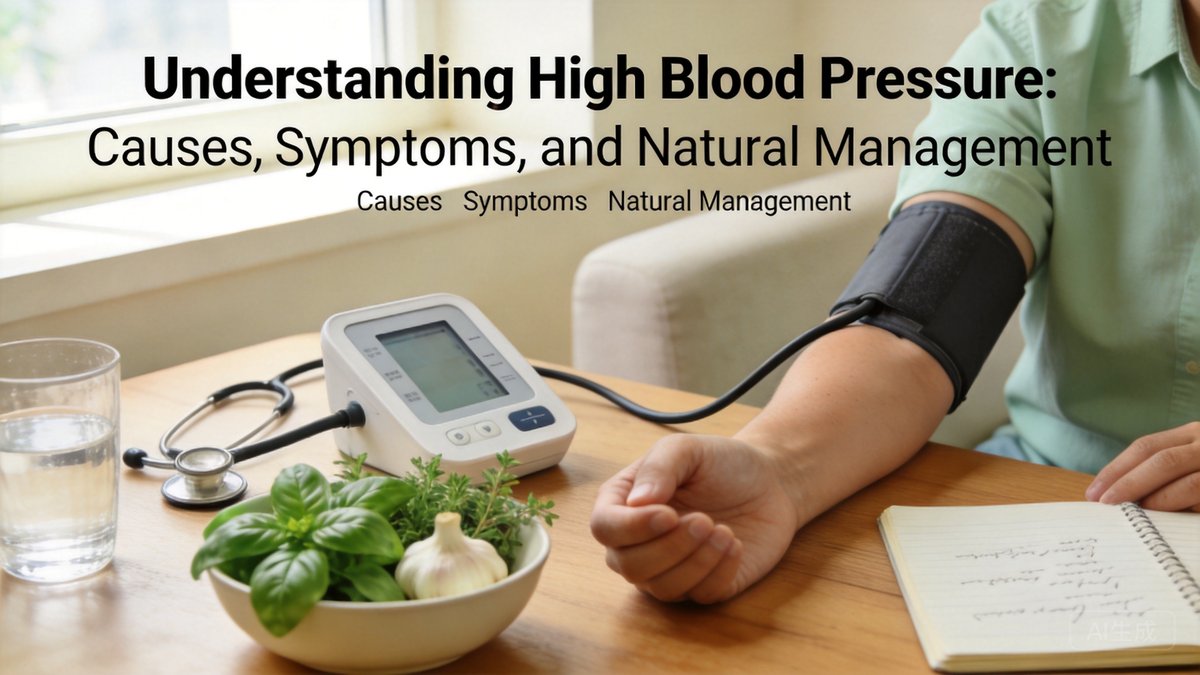
Understanding High Blood Pressure
High blood pressure, or hypertension, is often called the "silent killer" because it typically has no warning signs or symptoms, yet it significantly increases the risk of heart disease, stroke, and kidney failure. Blood pressure is measured as two numbers: systolic (the pressure when your heart beats) and diastolic (the pressure when your heart rests between beats). A normal reading is below 120/80 mmHg. Readings consistently at or above 130/80 mmHg indicate hypertension. According to the Centers for Disease Control and Prevention, nearly half of all adults in the United States have high blood pressure, and only about 1 in 4 of those have it under control. Understanding the mechanisms behind this condition is the first step toward effective management.
The heart pumps blood through arteries, creating pressure against artery walls. When the vessels narrow or stiffen, pressure rises, forcing the heart to work harder. Over time, this extra strain can damage blood vessels and lead to serious complications. The good news is that hypertension is highly manageable, and in many cases, lifestyle changes can prevent or even reverse it. This article breaks down the causes, symptoms, and most importantly, natural, science-backed strategies to bring your numbers back into a healthy range.
Causes and Risk Factors of Hypertension
Hypertension is broadly classified into two types: primary (essential) and secondary. Primary hypertension develops gradually over many years with no identifiable cause, while secondary hypertension is caused by an underlying condition, such as kidney disease, thyroid disorders, or certain medications. Regardless of type, several well-established risk factors contribute to elevated blood pressure:
- Unhealthy diet: Excess sodium (more than 2,300 mg per day) and low potassium intake are major drivers. Processed foods, canned soups, and fast food are common culprits.
- Physical inactivity: A sedentary lifestyle weakens the cardiovascular system and promotes weight gain, both of which raise blood pressure.
- Obesity and excess weight: Carrying extra weight, especially around the abdomen, places additional strain on the heart and increases vascular resistance.
- Tobacco and alcohol use: Nicotine temporarily spikes blood pressure, and chronic alcohol consumption can lead to sustained hypertension. Even moderate drinking above recommended limits (1 drink/day for women, 2 for men) raises risk.
- Chronic stress: Repeated stress elevates cortisol and adrenaline, leading to temporary spikes and, over time, vascular damage.
- Genetics and age: Family history and aging (over 65) are non‑modifiable risk factors, but they still interact strongly with lifestyle choices.
It is critical to understand that these risk factors are cumulative. The more you have, the higher your likelihood of developing hypertension. However, each one is also a target for intervention.
Key Statistic: The World Health Organization reports that reducing systolic blood pressure by just 10 mmHg can lower the risk of major cardiovascular events by 20%. Even modest lifestyle changes—such as cutting 1,000 mg of sodium daily—can achieve this reduction in many individuals.
Recognizing the Symptoms – or Lack Thereof
One of the most deceptive aspects of high blood pressure is that it frequently produces no symptoms, even when readings are dangerously high. This is why hypertension is often discovered only during a routine medical visit. However, when blood pressure rises very rapidly or reaches extremely high levels (a hypertensive crisis, usually >180/120 mmHg), symptoms may appear. These can include severe headaches, nosebleeds, shortness of breath, blurred vision, chest pain, or confusion. If you or someone you know experiences these symptoms, seek emergency care immediately.
For most people, the absence of symptoms means regular monitoring is essential. The American Heart Association recommends checking blood pressure at least once every two years if you are over 18 and have normal readings, and more frequently if you are at elevated risk. Home blood pressure monitors are affordable, easy to use, and provide invaluable data for you and your doctor. Waking up to a high reading is not a reason to panic—but it is a wake‑up call to take action.
It is also important to note that “white‑coat hypertension”—temporary spikes caused by anxiety in a medical setting—is real. If you suspect this, take multiple readings at home in a calm environment, at the same time each day, and share the log with your healthcare provider.
Natural Approaches to Managing Blood Pressure
Science supports several dietary and lifestyle interventions that can lower blood pressure as effectively as some medications, especially when combined. These are not quick fixes but sustainable changes that also improve overall health.
- Adopt the DASH diet: The Dietary Approaches to Stop Hypertension (DASH) plan emphasizes fruits, vegetables, whole grains, lean proteins, and low‑fat dairy while limiting salt, red meat, and added sugars. Studies show it can lower systolic pressure by up to 11 mmHg within weeks.
- Reduce sodium intake: Aim for less than 1,500 mg per day. Read food labels, avoid adding salt at the table, and use herbs, spices, lemon juice, or vinegar to flavor food.
- Increase potassium: Potassium helps balance sodium levels and relaxes blood vessel walls. Good sources include bananas, sweet potatoes, spinach, avocados, and beans. Aim for 3,500–5,000 mg daily from food (not supplements unless advised).
- Engage in regular aerobic exercise: At least 150 minutes of moderate‑intensity activity (brisk walking, cycling, swimming) per week can lower systolic pressure by 5–8 mmHg. Resistance training twice a week adds further benefit.
- Manage stress and sleep: Chronic stress and poor sleep (less than 7 hours) are linked to higher blood pressure. Practices like meditation, deep breathing, progressive muscle relaxation, and maintaining a consistent sleep schedule help keep your nervous system balanced.
- Limit alcohol and quit tobacco: Even reducing alcohol to one drink per day for women and two for men can lower readings. Quitting smoking improves arterial elasticity almost immediately.
Importantly, these strategies work synergistically. Combining the DASH diet with exercise and stress reduction produces greater results than any single intervention alone.
Monitoring Progress and When to Seek Medical Care
Natural management requires consistent monitoring. Keep a log of your blood pressure readings (morning and evening) and review trends weekly. If after 3–6 months of diligent lifestyle changes your numbers remain above 130/80 mmHg, or if you have risk factors such as diabetes or kidney disease, it is vital to consult a physician. Medications are not a failure—they are a tool to protect your heart and brain. Many people require a combination of lifestyle modification and medication for optimal control.
Also, be aware of factors that can cause temporary spikes: caffeine, cold medications, decongestants, and even talking while having your blood pressure measured. Always take readings in a quiet room, after sitting for 5 minutes, with your back supported and feet flat on the floor. Accurate data empowers you to make informed decisions.
Finally, remember that blood pressure naturally fluctuates. A single high reading does not mean you have hypertension, and a single normal reading does not guarantee you are safe. The trend over weeks and months is what matters. Work with your healthcare provider to set personalized targets—typically below 130/80 for most adults—and celebrate small victories along the way. Managing high blood pressure is a marathon, not a sprint, and every healthy choice is a step in the right direction.