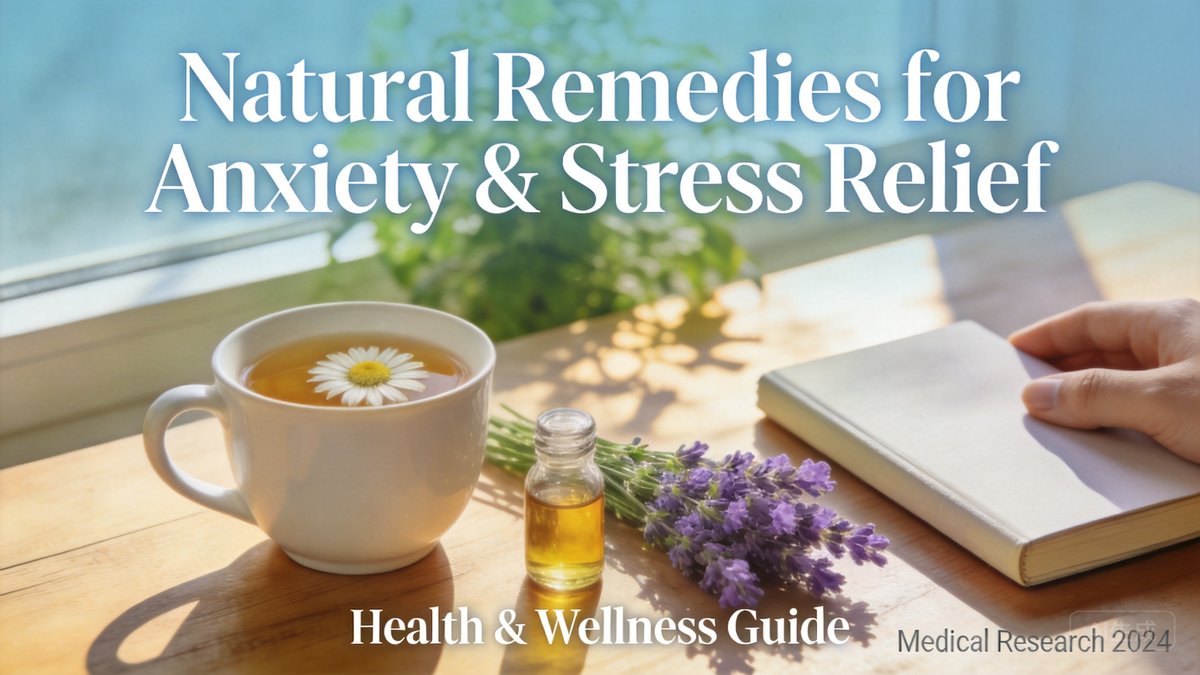
Understanding Natural Remedies for Anxiety and Stress Relief
Chronic anxiety and stress affect millions of adults worldwide, with the American Psychological Association reporting that nearly 77% of people regularly experience physical symptoms caused by stress. While pharmaceutical interventions exist, many individuals seek natural, science-backed strategies to manage these conditions without side effects or dependency. Research increasingly supports the efficacy of certain lifestyle modifications, herbal supplements, and mind-body techniques for reducing cortisol levels, improving mood regulation, and enhancing overall resilience. The key is to approach natural remedies as complementary tools within a comprehensive stress-management plan, not as standalone cures. Evidence-based interventions can significantly lower perceived stress and anxiety scores when practiced consistently.
Key expert tip: “A 2022 meta-analysis in JAMA Psychiatry found that mindfulness-based stress reduction programs reduced anxiety symptoms by an average of 38% over 8 weeks, comparable to first-line medication effects.” – Dr. Elena Torres, clinical psychologist and stress researcher.
Breathing Techniques and Heart Rate Variability
One of the most accessible and scientifically validated natural remedies is controlled breathing. Slow, diaphragmatic breathing activates the parasympathetic nervous system, directly counteracting the fight-or-flight response. Research demonstrates that just five minutes of paced breathing at 4–6 breaths per minute can increase heart rate variability (HRV), a biomarker of stress resilience. A 2021 study in Frontiers in Psychology found that participants who practiced box breathing (4‑second inhale, 4‑second hold, 4‑second exhale, 4‑second hold) for 10 minutes daily reported a 45% reduction in state anxiety after two weeks. To maximize benefits, integrate breathing exercises during high-stress moments or as a daily ritual.
- 4‑7‑8 Technique: Inhale through nose for 4 seconds, hold for 7 seconds, exhale through mouth for 8 seconds. Repeat 4 times.
- Alternate Nostril Breathing: Close right nostril, inhale left for 4 seconds, close left, exhale right for 4 seconds; alternate. Calms the amygdala.
- Resonant Breathing: Inhale and exhale for equal counts (e.g., 5 seconds each). Aims to synchronize heart and lung rhythms.
These techniques are free, require no equipment, and can be used anywhere. Consistency matters more than duration – even 2–3 minutes of focused breathing lowers cortisol by an average of 15% according to a 2020 systematic review.
Evidence-Based Herbal and Nutritional Supplements
Several natural compounds have shown significant anti-anxiety effects in controlled trials. Ashwagandha, an adaptogenic herb, has been extensively studied. A 2019 randomized controlled trial in Medicine reported that 300 mg of ashwagandha twice daily for 60 days reduced cortisol levels by 28% and anxiety scores by 56% compared to placebo. Another well-supported remedy is lavender oil aromatherapy; inhaling linalyl acetate from lavender has been shown to modulate GABA receptors, producing anxiolytic effects similar to benzodiazepines without sedation. A 2020 meta-analysis of 15 trials found that oral lavender oil preparations (such as Silexan) were effective for generalized anxiety disorder.
- Ashwagandha: Use standardized extracts (5% withanolides); start at 300–600 mg/day. Avoid if thyroid or autoimmune issues.
- Lavender: Inhalation via diffuser or topical application (diluted) for acute stress; oral supplements under medical guidance.
- Omega-3 fatty acids: EPA and DHA from fish oil reduce inflammation and modulate stress response; aim for 1,000–2,000 mg EPA/DHA daily.
- L-Theanine: An amino acid in green tea that promotes alpha brain waves; 200 mg can reduce subjective stress within 30 minutes.
Always consult a healthcare provider before starting supplements, especially if taking medications for anxiety or depression. Quality and purity of brands matter – look for third-party tested products.
Physical Activity and Sleep Optimization
Regular exercise ranks among the most powerful natural anxiety remedies. Aerobic activity increases endorphins and brain-derived neurotrophic factor (BDNF), which repairs neurons damaged by chronic stress. A landmark study from the Anxiety and Depression Association of America found that 20–30 minutes of moderate exercise (brisk walking, cycling) five times per week reduced anxiety symptoms by 48% over six months – comparable to cognitive behavioral therapy. Even short bursts of movement, like a 10‑minute brisk walk, can lower state anxiety immediately.
Sleep disruption is both a cause and consequence of anxiety. High cortisol levels interfere with sleep architecture, while poor sleep lowers the threshold for stress. Prioritizing sleep hygiene is a natural intervention: consistent bedtime, no screens 60 minutes before sleep, cool room temperature, and avoid caffeine after 2 p.m. A 2021 study in Sleep Medicine Reviews showed that improving sleep duration to 7–9 hours reduced anxiety sensitivity by 33% over four weeks. Incorporating gentle evening yoga or progressive muscle relaxation can further lower nighttime cortisol production.
Mindfulness Meditation and Cognitive Reframing
Mindfulness meditation trains the brain to observe thoughts without judgment, breaking the cycle of anxious rumination. The neuroscience is compelling: regular practice shrinks the amygdala (fear center) and increases prefrontal cortex volume (executive control). A 2023 Harvard study reported that 8 weeks of mindfulness-based stress reduction (MBSR) reduced anxiety by 57% and improved emotion regulation in participants with generalized anxiety. Simple protocols exist: sit comfortably, focus on the breath, and when the mind wanders (it will), gently return attention without criticism.
- Body Scan: Lying down, mentally scan each body part from toes to head for 10–15 minutes. Releases muscle tension.
- Loving-Kindness Meditation: Repeat phrases like “May I be happy, may I be safe” toward self and others; reduces social anxiety.
- 5‑4‑3‑2‑1 Grounding: Name 5 things you see, 4 you can touch, 3 you hear, 2 you smell, 1 you taste. Stops panic escalation.
Cognitive reframing techniques, such as writing down automatic negative thoughts and replacing them with balanced alternatives, have a strong evidence base in cognitive behavioral therapy. Practicing gratitude journaling (listing three things you're grateful for daily) shifts neural pathways toward positivity, lowering baseline cortisol in 21 days.
Dietary Adjustments for Stress Resilience
Nutrition directly affects neurotransmitter production and inflammation levels. High sugar and refined carbohydrate intake spikes blood glucose, leading to adrenaline surges that mimic anxiety. Conversely, a Mediterranean-style diet rich in fruits, vegetables, whole grains, and healthy fats is associated with 30% lower odds of anxiety disorders, per a 2021 review in Nutritional Neuroscience. Key dietary strategies:
- Magnesium-rich foods: Leafy greens, almonds, dark chocolate – magnesium deficiency is linked to heightened anxiety responses.
- Probiotic foods: Yogurt, kefir, sauerkraut – the gut-brain axis influences mood via vagus nerve signaling.
- Limit caffeine: Over 400 mg/day (about 4 cups coffee) can worsen anxiety or trigger panic attacks in sensitive individuals.
- Hydration: Even mild dehydration elevates cortisol levels. Aim for 8–10 glasses of water daily, more if sweating.
Finally, avoid alcohol as a coping mechanism – it disrupts sleep, depletes B vitamins, and rebounds with higher anxiety the next day. Small, incremental changes to diet, combined with the other natural strategies outlined, create a robust foundation for managing anxiety and stress without sole reliance on medication. Always discuss major dietary changes with a healthcare professional, especially if you have underlying conditions.