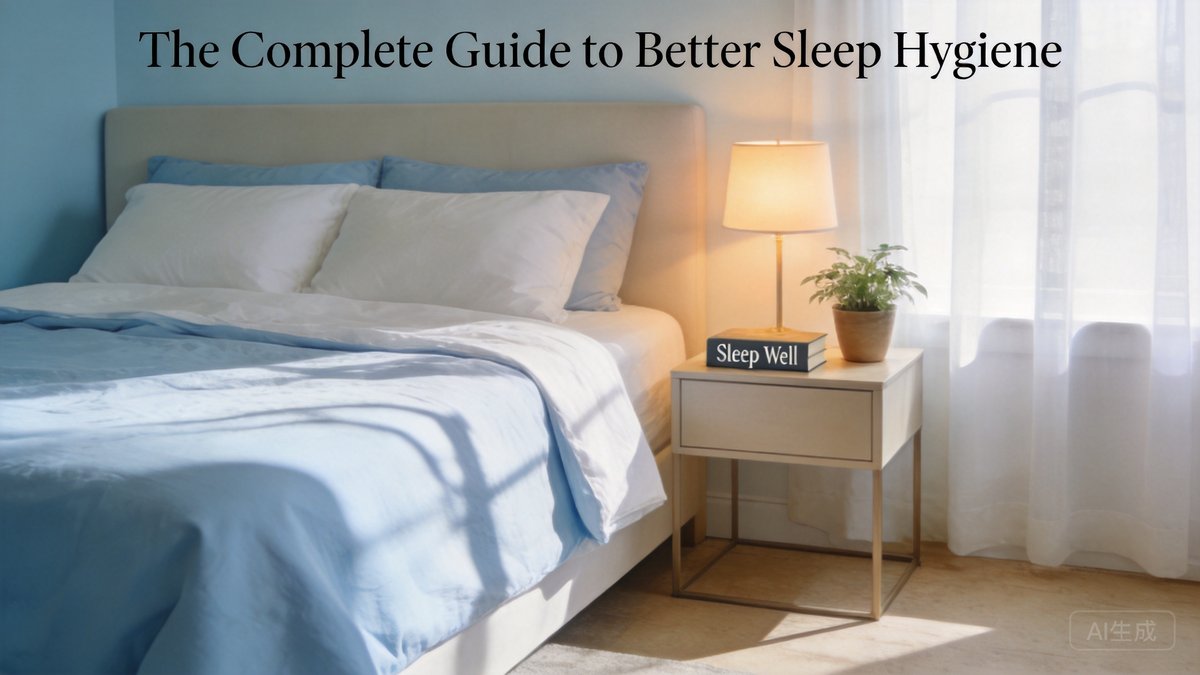
The Complete Guide to Better Sleep Hygiene
Sleep is not a luxury—it is a biological necessity. Yet according to the Centers for Disease Control and Prevention, more than one in three adults fails to obtain the recommended seven to nine hours of restorative sleep each night. Poor sleep is linked to a higher risk of obesity, type 2 diabetes, cardiovascular disease, depression, and even impaired immune function. While occasional restless nights are normal, chronic sleep disruption signals a breakdown in sleep hygiene—the set of habits and environmental factors that promote consistent, high-quality sleep. This guide, grounded in sleep medicine and behavioral science, provides actionable strategies to optimize your sleep hygiene and reclaim your nights.
Key health stat: The National Sleep Foundation reports that adults who consistently sleep less than six hours per night have a 48% higher risk of developing or dying from heart disease, and a 15% higher risk of stroke. One extra hour of quality sleep can reduce all‑cause mortality risk by up to 12%.
1. Anchor Your Circadian Rhythm with Consistency
The body’s internal clock—the circadian rhythm—is exquisitely sensitive to regularity. When you wake up and go to bed at roughly the same time every day (including weekends), you reinforce a stable sleep‑wake cycle. Research from the Sleep Research Society shows that irregular sleep schedules are as harmful to metabolic health as chronic sleep restriction. Aim for a window of no more than one hour of variation in wake‑up time, even on days off. This helps synchronize melatonin release, cortisol patterns, and core body temperature—all critical for falling and staying asleep.
If you must shift your schedule (e.g., for night shifts or travel), adjust by no more than 60–90 minutes per day, and use bright light exposure upon waking to reset your clock. Avoid the “social jet lag” of staying up late on weekends; it can take three to five days to realign your rhythm after just one late night.
2. Optimize Your Sleep Sanctuary
Your bedroom environment powerfully influences sleep depth and continuity. The following evidence‑based modifications can make a dramatic difference:
- Darkness: Blackout curtains or a sleep mask block light that suppresses melatonin. Even dim light from electronics can reduce melatonin production by up to 50%.
- Cool temperature: The optimal sleep temperature is 65–68°F (18–20°C). The body’s core temperature must drop to initiate and maintain sleep; a cool room facilitates this.
- Quiet: Use white noise machines or earplugs if noise is unavoidable. Sudden noises trigger cortisol spikes that fragment sleep.
- Supportive bedding: A medium‑firm mattress and a low‑loft pillow that keeps the neck aligned reduce pain‑related awakenings. Replace mattresses every 7–10 years.
Additionally, remove all work materials, screens, and clutter from the bedroom. Your brain should associate the room only with sleep and intimacy—not stress or entertainment.
3. Craft a Pre‑Sleep Wind‑Down Routine
Transitioning from the high‑alert state of the day to a restful night requires a deliberate buffer zone—ideally 30–60 minutes before bed. Avoid stimulating activities (work emails, intense exercise, heated discussions). Instead, engage in calming, screen‑free rituals:
- Reading a physical book (not a backlit tablet) for 20 minutes reduces cognitive arousal.
- Gentle stretching or yoga (e.g., child’s pose, legs‑up‑the‑wall) lowers heart rate and muscle tension.
- Deep breathing or meditation – a 4‑7‑8 breathing pattern (inhale 4 sec, hold 7 sec, exhale 8 sec) activates the parasympathetic nervous system.
- Warm bath or shower 1–2 hours before bed. The subsequent drop in body temperature signals the brain to produce melatonin.
Blue light from screens is particularly disruptive; it delays melatonin onset by up to three hours. If you must use a device, enable night mode or wear blue‑blocking glasses two hours before sleep. A study in the Journal of Clinical Sleep Medicine found that blue‑blocking glasses improved sleep quality in insomniacs by 30%.
4. Align Nutrition and Physical Activity with Sleep
What and when you eat and exercise directly affects your sleep architecture. Follow these science‑backed guidelines:
- Caffeine: Half‑life lasts 5–6 hours. Avoid all caffeine (coffee, tea, chocolate, soda) after 2 p.m. Even a late‑afternoon coffee can reduce total sleep time by 45 minutes.
- Alcohol: While alcohol may help you fall asleep faster, it suppresses REM sleep and causes frequent awakenings in the second half of the night. Limit to one drink and stop at least three hours before bed.
- Evening meals: Finish heavy meals 2–3 hours before bedtime. Digestion raises body temperature and delays sleep onset. A light snack (e.g., banana, small bowl of cherries, or a handful of almonds) that contains tryptophan or melatonin can actually promote sleep.
- Exercise timing: Moderate aerobic exercise (brisk walking, cycling) improves sleep quality significantly—but vigorous workouts within 90 minutes of bedtime can be stimulating due to elevated heart rate and cortisol. Morning or early afternoon exercise is ideal; if you must exercise in the evening, do gentle yoga or stretching.
A 2021 meta‑analysis in Sleep Medicine Reviews concluded that regular exercise reduces insomnia severity by 50% and increases slow‑wave (deep) sleep, which is essential for memory consolidation and cellular repair.
5. Manage Naps, Light Exposure, and Stress
Several subtle yet powerful factors can either bolster or sabotage your sleep hygiene:
- Napping: Short naps (10–20 minutes) can improve alertness without disrupting nighttime sleep. Naps longer than 30 minutes or after 3 p.m. often lead to sleep inertia and difficulty falling asleep at night.
- Morning light exposure: Within 30–60 minutes of waking, expose yourself to bright natural daylight for at least 15 minutes. This halts melatonin production and sets your circadian clock for the day. On cloudy days, use a light therapy box (10,000 lux) for 20–30 minutes.
- Stress management: Chronic stress hyperactivates the hypothalamic‑pituitary‑adrenal axis, raising cortisol at night. Practices such as journaling (write down worries or a to‑do list for tomorrow), progressive muscle relaxation, or guided imagery can lower nighttime cortisol by 20–30%.
- Limit fluids two hours before bed to reduce nighttime bathroom visits, which fragment sleep. If you wake to urinate often, consider avoiding bladder irritants like caffeine and spicy foods.
Finally, if you haven’t fallen asleep within 20–30 minutes, get out of bed and do something calming in dim light (read, listen to a podcast) until you feel sleepy. Lying in bed awake trains your brain to associate the bed with frustration, worsening insomnia over time.
Your Sleep Redeployment Plan
Improving sleep hygiene is not about perfection—it is about consistent, small adjustments that compound over time. Start with the one or two changes that feel most achievable: perhaps going to bed 15 minutes earlier and swapping your phone for a book. Track your progress with a sleep diary for two weeks, noting sleep latency (time to fall asleep), awakenings, and total sleep time. Most people see measurable improvements within seven to ten days.
If you continue to struggle with excessive daytime sleepiness, difficulty falling or staying asleep more than three nights per week for three months, or loud snoring with gasping, consult a sleep specialist. Conditions such as obstructive sleep apnea, restless legs syndrome, and chronic insomnia require targeted treatment beyond general hygiene. But for the vast majority of individuals, reclaiming high‑quality sleep starts tonight—with the evidence‑based practices outlined here. Your body, brain, and future self will thank you.